
How to Use Myrouter.local for Linksys Router Login and Setup
If you are trying to access your router settings, then Myrouter.local is often the first address people use. However, many users feel confused when the page does not open or shows an error. Therefore, understanding how myrouter.local login works is very important.
In most homes, users rely on http://myrouter.local to manage WiFi settings, passwords, and security options. Yet, sometimes Myrouter.local not working becomes a common issue, especially after updates or device changes.
In this complete guide, you will learn what Myrouter.local is and how to use myrouter.local setup, how to access myrouter.local /admin, and how to fix common problems like myrouter.local not connecting or myrouter.local not connecting to internet.
What is Myrouter.local?
To begin with, Myrouter.local is a local web address used to access your router’s admin panel. Instead of typing an IP address, many routers allow users to enter http://myrouter.local directly in a web browser.
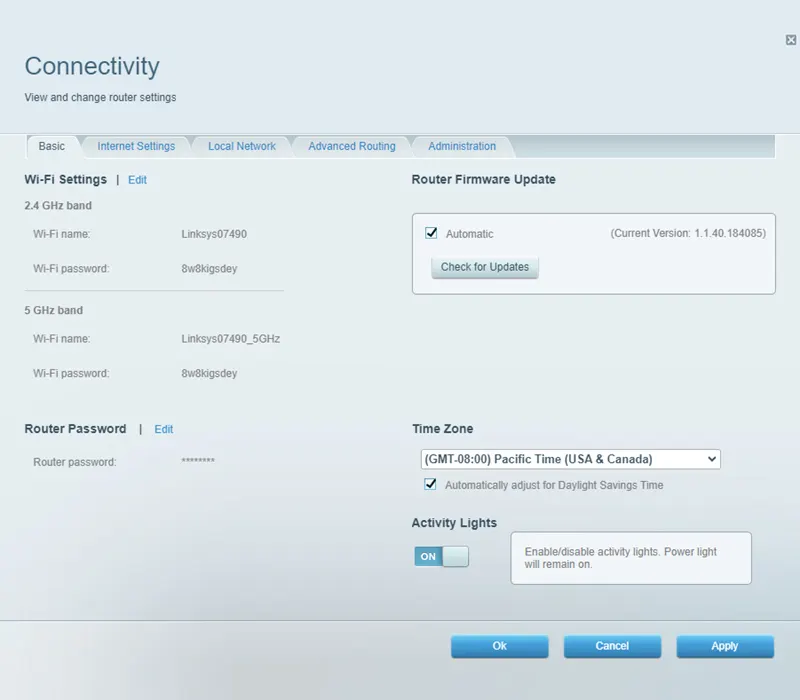
Change the WiFi name and password
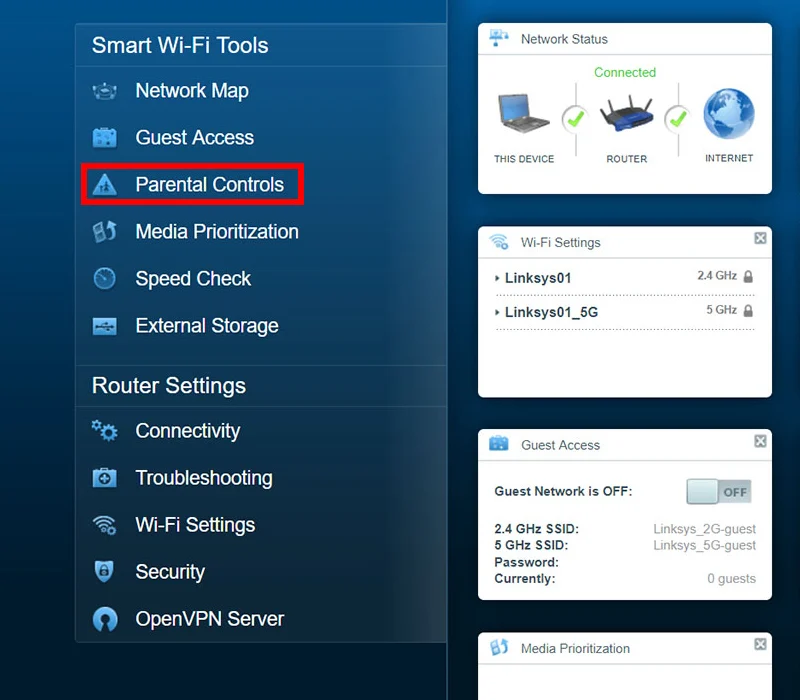
Set parental controls
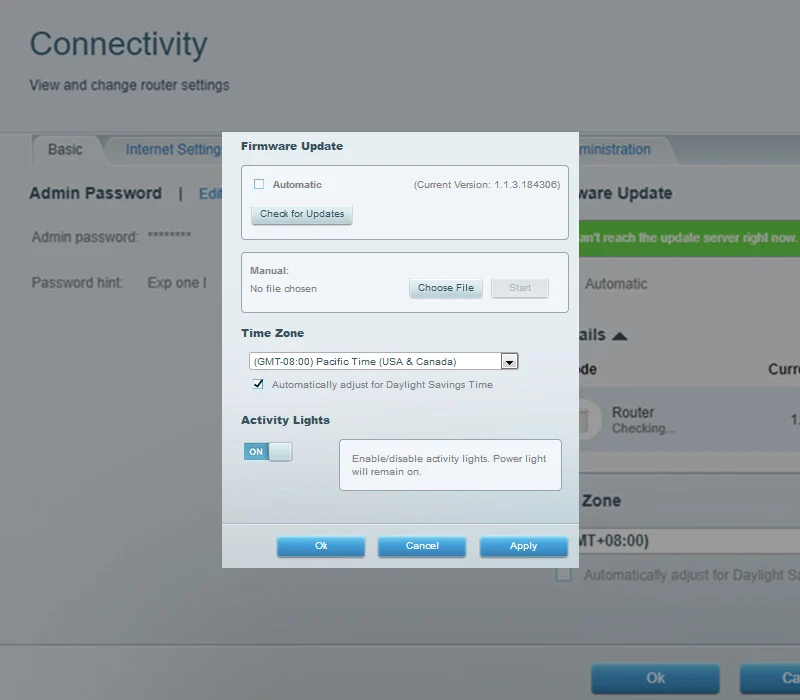
Update firmware
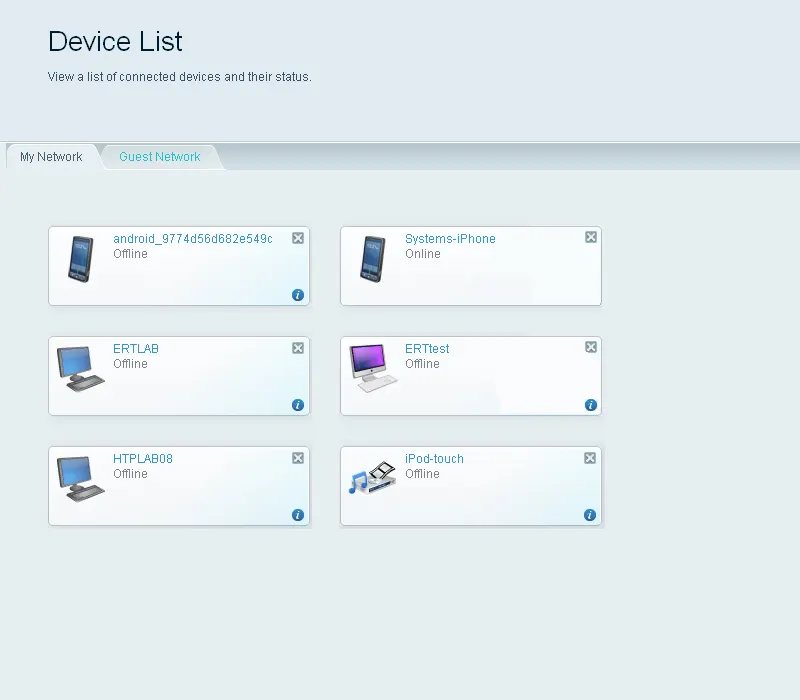
Check connected devices
Improve security
Once accessed, the myrouter.local login page lets you:
- Change the WiFi name and password
- Set parental controls
- Update firmware
- Check connected devices
- Improve security
Therefore, Myrouter.local setup is essential for managing your home network.
Why Myrouter.local Is Important for Router Management
In the absence of the router dashboard, you will not be able to manage your network properly. Consequently, it becomes hard to perform activities such as changing WiFi passwords or resolving slow speeds.
Simple router management is made easy for non-technical users using myrouter.local 192.168.1.1 or myrouter.local 192.168.0.1. Furthermore, routers such as the Linksys tend to use my router.local linksys access as opposed to only IP addresses.
How to Access Myrouter.local Login Page
Now let’s understand how to access the myrouter.local login page correctly.
Step-by-Step Myrouter.local Login
- First, connect your device to the router’s WiFi or Ethernet.
- Next, open a web browser.
- Then, type http://myrouter.local in the address bar.
- After that, press Enter.
If successful, the myrouter.local login page will appear. Enter the correct username and password and click on login.
You may also see myrouter.local /admin, which leads directly to the admin panel.
Alternative Addresses If Myrouter.local Does Not Work
Sometimes, Myrouter.local not working becomes a problem. In that case, you can use IP addresses instead.
Try these options:
myrouter.local 192.168.1.1
myrouter.local 192.168.0.1
myrouter.local 192.168.10.1
http://myrouter.
local/192.168.1.1
These addresses often open the same router interface.
Myrouter.local 192.168.1.1 Admin Access
When users search for myrouter.local 192.168.1.1 admin, they usually want full control of router settings.
Once logged in, you can:
- Change admin password
- Enable security features
- Update firmware
- Manage connected devices
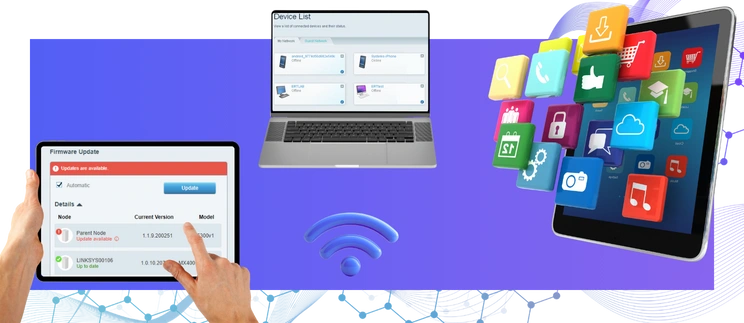
Therefore, learning myrouter.local 192.168.1.1 setup is very useful.
Myrouter.local Setup for First-Time Users
If you are setting up a router for the first time, myrouter.local setup is required.
Basic Setup Steps
- First, connect the router to the modem.
- Next, power on the router.
- Then, connect your device to the router's WiFi.
- After that, open http://myrouter.local.
Follow the on-screen instructions to complete myrouter.local 192.168.1.1 setup.
Understanding How Myrouter.local Works Behind the Scenes
In order to get a clearer understanding as to why Myrouter.local works well and well other times; it is beneficial in knowing what is going on at the back end. Basically, myrouter.local is a local hostname that directs your browser to the inside IP address of the router.
According to most cases, there is when you write in the address, myrouter.local, your device converts it to the address either, myrouter.local 192.168.1.1 or myrouter.local 192.168.0.1. Because of this, your web browser will load the administrator interface of the router.
But when such translation is not effective, users can usually get the Myrouter.local not working or my router.local not connecting messages. Thus, it is far easier to troubleshoot this process with the help of knowledge of this process.
Myrouter.local Linksys Routers Explained
Many Linksys routers use myrouter.local linksys for setup and management.
If you own a Linksys router, myrouter local linksys 192.168.1.1 often works better than generic IP addresses.
Therefore, always try myrouter.local linksys before resetting the router.
Why Myrouter.local Is Not Working
Although it is easy to use, Myrouter.local not working is a common complaint.
This happens because:
- Firstly, the device is not connected to the router
- Next, browser cache issues
- Then, the router IP address changed
- Additionally, DNS problems
- Lastly, firmware update errors
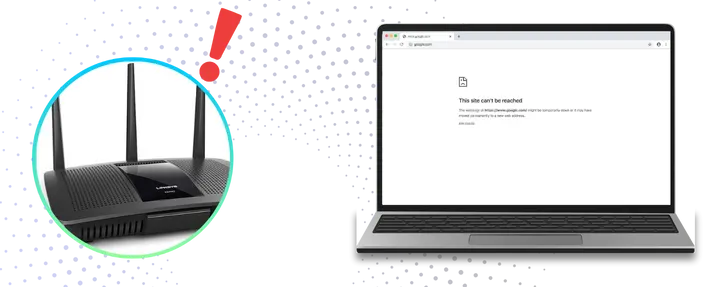
As a result, users see myrouter.local not connecting errors.
Fix Myrouter.local Not Connecting Issues
If myrouter.local not connecting, try these steps carefully.
- First, check your WiFi connection.
- Next, restart the router and modem.
- Then, clear the browser cache.
- After that, try another browser.
In most cases, myrouter.local not connecting to internet gets resolved.
Myrouter.local 192.168.1.1 Not Working on Windows 10
Many users face myrouter.local 192.168.1.1 not working windows 10 errors.
This happens due to:
- Network adapter issues
- Cached DNS entries
- Firewall blocking access
To fix:
- Disable VPN
- Flush DNS
- Restart the network adapter
As a result, access is restored.
Myrouter.local 192.168.1.1 Not Working on Mac
Similarly, myrouter.local 192.168.1.1 not working on Mac is also common.
To fix this:
- Disconnect and reconnect the WiFi
- Clear Safari or Chrome cache
- Try using the IP address directly
Usually, myrouter.local 192.168.1.1 not working fix solves the issue.
Myrouter.local 192.168.1.1 Not Working After Update
After firmware updates, some users report myrouter.local 192.168.1.1 not working after update.
This happens because:
- Router reboot incomplete
- Settings reset
- Firmware bugs
In that case:
- Restart router
- Try myrouter.local 192.168.0.1
- Use router login 192.168.1.1 troubleshooting steps
Difference Between Myrouter.local and IP Addresses
Despite the convenience of Myrouter.local IP addresses are also significant. In this case, as an example, when myrouter.local 192.168.1.1 is not working, it is usually useful to enter the IP address directly.
Here is why:
- Myrouter.local relies on local DNS
- IP addresses bypass DNS resolution
- IP access is more direct
Therefore, switching between myrouter.local 192.168.1.1, myrouter.local 192.168.0.1, or myrouter.local 192.168.10.1 is a smart troubleshooting step.
Additionally, some routers respond better to http://myrouter.local / 192.168.1.1, especially after updates.
Myrouter.local Not Connecting to Internet
If the router dashboard opens but the internet does not work, users say myrouter.local not connecting to internet.
This usually means:
ISP connection issue
WAN not configured
DNS missing
Therefore, check WAN settings inside myrouter.local /admin.
Router Login 192.168.1.1 Troubleshooting Tips
When the login fails, router login 192.168.1.1 troubleshooting helps a lot.
Try these fixes:
- Use an Ethernet cable
- Disable antivirus temporarily
- Reset the router only if needed
These steps often fix myrouter.local not working problems.
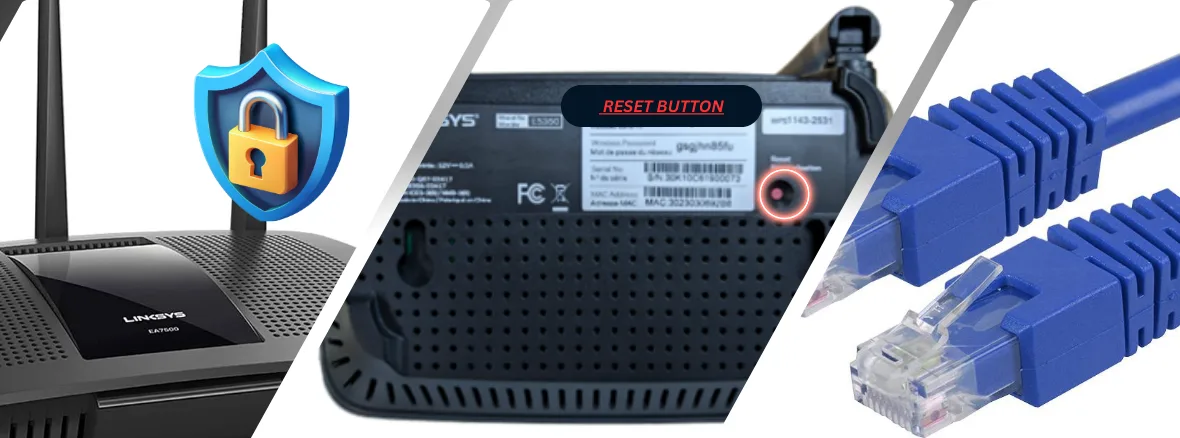
Security Tips for Myrouter.local Admin Page
Once logged in, securing your router is important.
Therefore:
- Firstly, change the admin password
- Next, enable the firewall
- Then, update firmware regularly
- Finally, disable remote access
This keeps myrouter.local login safe.
Common Mistakes Users Make
Many users accidentally:
- Use mobile data instead of WiFi
- Type the wrong address
- Use an outdated browser
- Reset the router unnecessarily
As a result, myrouter.local not connecting becomes more frequent.
Myrouter.local Error Quick Diagnosis
Error Message or Situation
What It Means
Why It Happens
Best Fix to Try First
Page not found / site can’t be reached
The browser cannot locate the router
Not connected to the router’s WiFi
Connect to the router’s WiFi and retry
The login page keeps loading
Router responding slowly
Firmware lag or heavy load
Restart the router and try again
myrouter.local opens, but settings won’t save
Admin session failed
Browser cache or timeout
Clear the cache or use another browser
myrouter.local redirects to the search engine
Address not resolved locally
DNS resolving externally
Use IP like 192.168.1.1
myrouter.local works on the phone but not the PC
PC network issue
Firewall, VPN, or DNS cache
Disable VPN and flush DNS
myrouter.local 192.168.1.1 is not working after the update
Router IP changed
Firmware reset network settings
Check the router IP via the device gateway
myrouter.local login page asks for the password repeatedly
Wrong credentials
Default login restored after reset
Use default admin credentials
myrouter.local /admin loads blank page
Browser compatibility issue
Extensions blocking scripts
Try Incognito or a different browser
myrouter.local not connecting to the internet
WAN not configured
ISP settings missing
Configure WAN in the admin panel
http://myrouter.local works once, then fails
IP conflict
Another device using the same IP
Restart the router and the modem
Why Myrouter.local Works on Some Devices but Not Others
Sometimes, users notice that myrouter.local login works on one device but fails on another. This can feel confusing at first. However, the reason is usually simple.
This happens because:
- One device is connected to router's WiFi
- Another device is using mobile data
- Browser cache differs between devices
- Firewall or VPN blocks local access
Therefore, always make sure your device is connected to the router network before opening the myrouter.local login page.
Best Practices for Smooth Myrouter.local Access
To avoid problems:
- Firstly, always connect to the router's WiFi
- Next, bookmark http://myrouter.local
- Then, keep the firmware updated
- Finally, avoid frequent resets
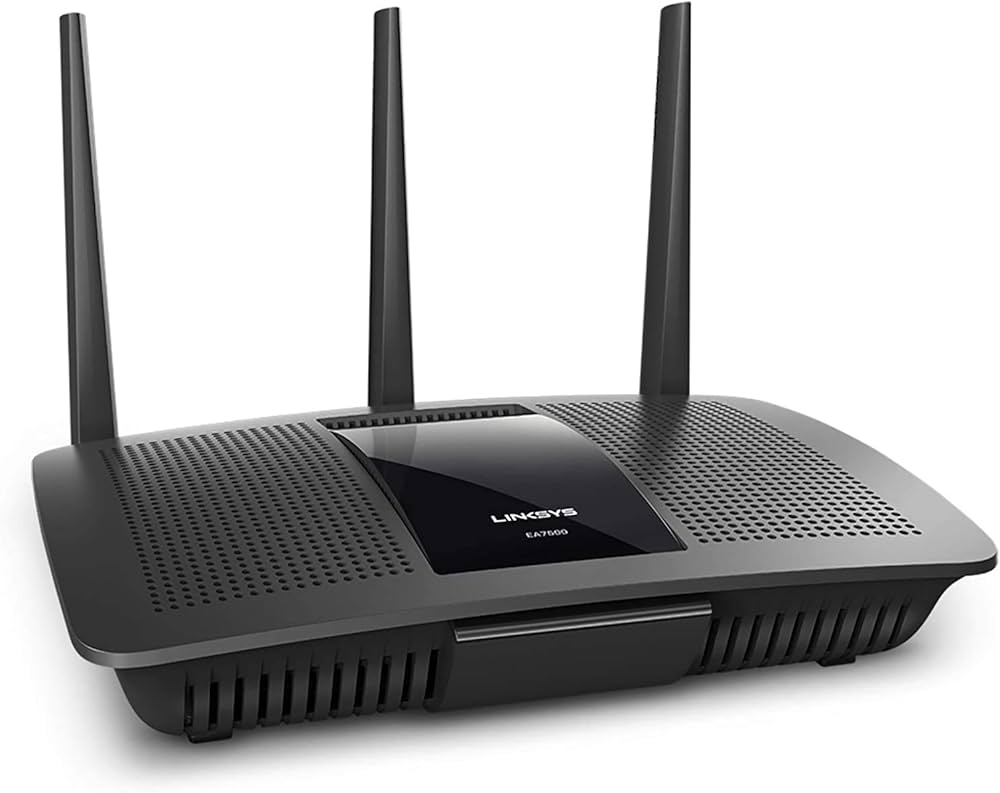
Therefore, router access stays stable.
Conclusively, Myrouter.local is an easy but powerful means of managing your home network, either using myrouter.local login, myrouter.local setup or myrouter.local /admin, knowing how it works makes the process of managing the router tension-free.
You may have problems with it, such as Myrouter.local not working, myrouter.local not connecting, myrouter.local 192.168.1.1 not working; however, the solutions are normally straightforward.
With this guide and myrouter.local 192.168.1.1 admin and router login 192.168.1.1 troubleshooting, you can be sure you have gained total control of your router again.
Q1: What is Myrouter.local used for?
Myrouter.local is used to access your router’s admin panel to manage WiFi, security, and internet settings.
Q2: Why is myrouter.local not working on my device?
This usually happens because your device is not connected to the router, DNS is not resolving, or the browser cache is causing issues.
Q3: How do I access myrouter.local login page?
Connect to the router’s WiFi, open a browser, and type http://myrouter.local to open the myrouter.local login page.
Q4: What should I do if myrouter.local not connecting?
Restart the router, clear browser cache, and try IP addresses like myrouter.local 192.168.1.1 or myrouter.local 192.168.0.1.
Q5: Why does myrouter.local 192.168.1.1 not working on Windows 10?
This can happen due to DNS cache, firewall settings, or VPN interference. Flushing DNS usually fixes it.
Q6: Is myrouter.local the same for all routers?
No. Some routers use myrouter.local linksys, while others use different local addresses.
Q7: What is myrouter.local /admin?
It is the admin dashboard where you can change router settings, passwords, and security options.
Q8: Can I use myrouter.local on Mac?
Yes. If myrouter.local 192.168.1.1 not working on mac, try using IP addresses directly.
Q9: Why does myrouter.local not connecting to internet show up?
This means the router dashboard opens, but the WAN or ISP connection is not configured correctly.
Q10: Is http://myrouter.local safe?
Yes, as long as you change the default admin password and keep the firmware updated.